

How to Fix a Frozen Boiler Condensate Pipe
26/06/2026
Contents
- What Is a Boiler Condensate Pipe, and Why Is It Important?
- Signs of a Frozen Condensate Pipe
- Why Do Condensate Pipes Freeze?
- How to Safely Thaw a Frozen Condensate Pipe
- 1. Turn off the boiler
- 2. Locate the frozen pipe
- 3. Apply warmth to the pipe
- 4. Check for blockages
- 5. Restart the boiler
- Preventing Your Condensate Pipe From Freezing in the Future
- 1. Insulate the Pipe
- 2. Adjust Pipe Positioning
- 3. Install a Frost Protection Device
- 4. Increase Flow Diameter
- 5. Leave the Heating On
- When to Call a Professional
- Conclusion
Winter can bring a host of problems to UK homeowners, and one common issue during freezing temperatures is a frozen boiler condensate pipe. This small but essential part of your heating system can cause your boiler to shut down, leaving you without heating and hot water when you need it most.
This guide will help you understand what a condensate pipe does, how you can identify when it’s frozen, and what steps you can take—safely and effectively—to thaw it. We’ll also explore measures to prevent this problem in the future and advise on when professional assistance is necessary.
Whether you’re a new homeowner or someone who wants to maintain their heating system, this comprehensive guide has got you covered.
What Is a Boiler Condensate Pipe, and Why Is It Important?
The condensate pipe plays an essential role in modern condensing boilers, which are designed to be more energy-efficient. These boilers produce waste gases that condense into water, known as condensate. The condensate pipe is responsible for safely transporting this acidic waste water out of your home, typically to an outdoor drain.
When this pipe freezes, the flow becomes blocked, preventing the water from leaving the system. Unable to operate correctly, your boiler may shut down as a safety precaution—leaving you without heat and hot water.
Signs of a Frozen Condensate Pipe
Knowing how to spot a frozen condensate pipe before it causes further issues is key to solving the problem quickly. Keep an eye (and ear) out for these common indicators:
- Gurgling sounds coming from the boiler or the pipe
- A fault code displayed on your boiler control panel (consult your manual to decode it)
- The boiler shuts down completely or fails to ignite
- Visible ice or frost on the outside of the condensate pipe
If you notice any of these signs, a frozen condensate pipe is likely the culprit.
Why Do Condensate Pipes Freeze?
Understanding the causes behind frozen condensate pipes can help you address the issue and prevent it from happening again.
- Low Temperatures
Condensate pipes are often located outside, making them highly susceptible to freezing during cold snaps. When outdoor temperatures drop below zero, the water running through these pipes can freeze quickly.
- Lack of Insulation
If the pipe is uninsulated or poorly insulated, it becomes harder to keep the liquid inside from freezing during cold weather.
- Pipe Size and Placement
Pipes with a small diameter or long external sections are more likely to freeze. Poor positioning, like being in the shade or exposed to wind, can further exacerbate the issue.
How to Safely Thaw a Frozen Condensate Pipe
Fixing a frozen condensate pipe is often a straightforward task that you can handle yourself. Follow these steps to safely thaw the ice and restore your boiler’s functionality:
1. Turn off the boiler
Before you start, switch off your boiler. This ensures your safety and protects the boiler from any potential damage.
2. Locate the frozen pipe
Find the external section of your condensate pipe, often leading to a drain or external wall. Look for visible signs of frost or ice to identify the frozen area.
3. Apply warmth to the pipe
Gently thaw the pipe using one of the following methods:
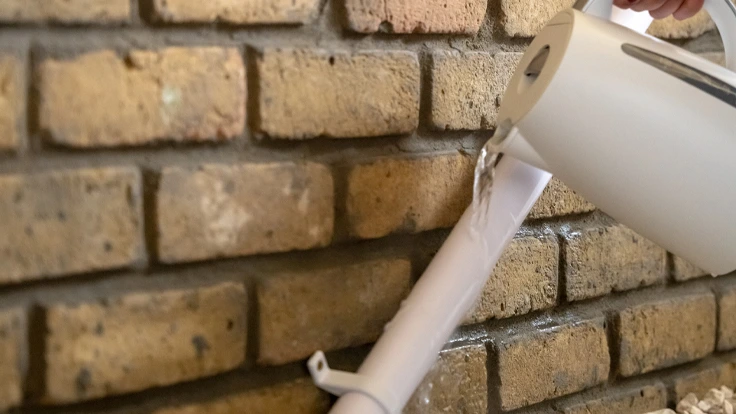
- Warm water: Pour warm (not boiling) water over the frozen section. Boiling water could damage the pipe, so ensure it’s just warm to the touch.
- Warm cloth: Wrap a cloth soaked in warm water around the frozen section of the pipe.
- Hot water bottle: Place a hot water bottle directly on the frozen area for gradual warming.
4. Check for blockages
Once the pipe has thawed, inspect it to ensure the blockage has cleared, allowing water to flow freely.
5. Restart the boiler
Switch the boiler back on and check if it operates normally. If the problem persists, consult the boiler manual or contact a heating engineer.
Preventing Your Condensate Pipe From Freezing in the Future
Now that you’ve dealt with the frozen pipe, it’s time to take proactive steps to prevent this from happening again.
1. Insulate the Pipe
Wrap the external section of your condensate pipe with proper pipe insulation. Foam lagging is affordable and will help keep the pipe warm enough to prevent freezing.
2. Adjust Pipe Positioning
If possible, relocate the pipe to a less exposed area or reduce the length of the external section. A professional heating engineer can advise on the best placement.
3. Install a Frost Protection Device
A frost protection device can be installed to maintain a low-level heat in the pipe. This can stop ice forming even when the temperature drops significantly.
4. Increase Flow Diameter
Wider pipes allow water to flow more freely, reducing the likelihood of freezing. This may require professional installation.
5. Leave the Heating On
During particularly cold periods, leave your heating on at a low temperature, even when you’re not home. This will ensure a constant flow of warm water through the system and prevent freezing.
When to Call a Professional
While many cases of frozen condensate pipes can be resolved by homeowners, some situations require expert help. Consider contacting a Gas Safe registered heating engineer if:
- You cannot locate the blockage
- The freezing issue persists despite thawing
- Your condensate pipe requires repositioning or structural changes
Professional assistance ensures any repairs or adjustments are handled safely and effectively.
Conclusion
Addressing a frozen boiler condensate pipe doesn’t have to be a stressful experience. By learning to recognise the signs, knowing how to safely thaw the pipe, and taking preventive measures, you can minimize downtime and keep your home warm during the colder months. Simple actions like insulating the pipe, adjusting its positioning, or leaving your heating on at a low temperature can go a long way in avoiding future issues.
Remember, your heating system is essential to your comfort and safety. Regular maintenance and small proactive steps can save you time, money, and inconvenience. However, if you’re unsure or the problem persists, don’t hesitate to call a qualified heating professional for expert help.
Take care of your boiler, and it will take care of you—helping you stay cozy all winter long.
Need Help?
If you’re looking for plumbing, gas or boiler advise or assistance, do not hesitate to contact our team today on 01482 770650 or book an engineer online.

Some of the brands we work with